Essential Questions to Ask Before Renting an Apartment or Home
Asking the right questions before signing a lease can make a big difference between a smooth rental experience and months of unexpected stress. When home or apartment hunting, it’s easy to get swept up in curb appeal, staging, or a great location and overlook the details that matter most once you move in. Unfortunately, those overlooked details often show up later as surprise fees, unclear rules, or maintenance issues. This can be especially true in competitive markets like Northwest Arkansas rentals, where properties move quickly, and renters may feel pressured to make fast decisions. To help, we’ve compiled a list of some of the most vital questions to ask before renting an apartment or home.
Quick Overview: Essential Questions to Ask Before Renting an Apartment or Home
Asking detailed questions before signing a lease helps renters avoid hidden fees, unclear rules, and ongoing maintenance issues, especially in fast-moving rental markets like Northwest Arkansas.
✓ Renters should fully understand what’s included in the rent, such as utilities, deposits, payment terms, and potential penalties, to accurately assess the true monthly cost.
✓ Clarifying maintenance procedures, lease renewal terms, rent increases, and early termination policies can prevent surprises and protect long-term flexibility.
✓ Important lifestyle factors, such as parking, pets, guests, safety features, renovations, and allowed unit modifications, should always be confirmed in writing.
✓ Paying attention to red flags during tours, including vague answers, pressure to sign quickly, or visible maintenance issues, can help renters avoid costly or stressful situations.
Why Asking the Right Questions Matters
Asking the right questions before renting isn’t just about being thorough; it’s about protecting yourself, your money, and your peace of mind. Many rental problems don’t come from bad luck, but from missing information that could have been uncovered early. Therefore, before signing the lease, it’s essential to make a list of questions to ask your prospective landlord. If they’re hesitant to provide answers to these questions or seem like they’re not giving you the whole picture, you may want to keep looking for a new place.
Important Questions Every Tenant Should Ask Before Signing a Lease
When looking for your next home, it can be easy to focus on the aesthetics or neighborhood of a place and put the details on the back burner. However, you won’t find the perfect place without knowing the answers to some of these minor details. To help, here are some of the most important questions to ask when renting an apartment or home.
What’s included (and not included) in the monthly rent?
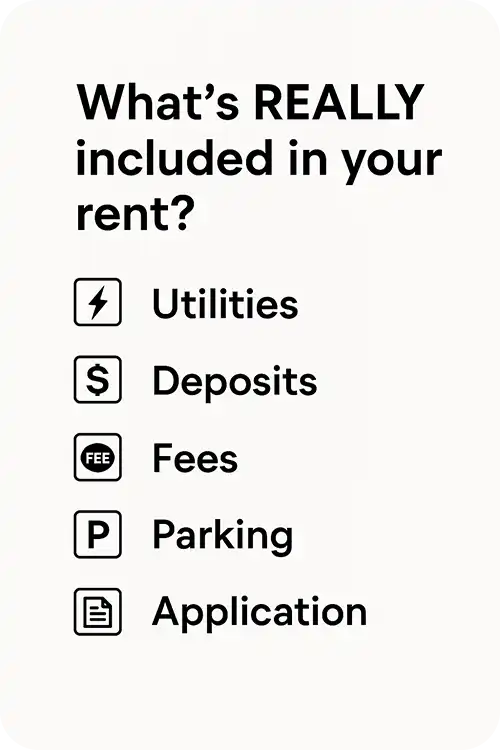
Ask exactly which utilities, services, and amenities are included in the rental price. Costs like parking, trash removal, water, or “administrative” fees can quickly raise the true monthly price and affect affordability. It’s also important to ask:
✓ How much the security deposit is
✓ When the rent is due
✓ How to pay the rent
✓ If there’s a penalty/fee for late rent (and how much it is)
✓ Whether the security deposit is refundable and, if so, when you will receive it
✓ How to start the process for the rental application
How are maintenance requests handled?
Find out how quickly non-emergency repairs are typically addressed and how emergency issues are handled after hours. It’s also helpful to know whether maintenance is dealt with by on-site staff (i.e., a superintendent for an apartment building) or an outside contractor.
What’s the lease renewal policy and rent-increase history?
Some leases renew automatically, while others require notice or renegotiation. Asking about past rent increases can help you anticipate future costs and plan long-term. If you’re on a month-to-month sublet, make sure you fully understand the rules of the rental agreement and what to do when you want to move out.
Are there any fees I should know about upfront?
Beyond rent, many rentals include application fees, amenity fees, pet deposits, or monthly pet fees. There may also be a higher fee if you want to utilize storage space in an apartment complex. Understanding these move-in fees and move-out costs ahead of time prevents financial surprises.
What exactly are the move-in and move-out procedures?
Clarify what cleaning or documentation is required and whether inspections are performed. Knowing this helps protect your security deposit and avoid unfair deductions later. You should also ask about any rules regarding how to address any changes to the apartment you may have made.
How safe is the property and neighborhood?
When looking at apartments, ask about security features like lighting, controlled access, and locks, and observe the property during different times of day. While landlords may be limited in what they can say about crime, they can often share safety measures in place. This is also important if you’re looking to rent a home in a neighborhood you’re unfamiliar with.
What changes or improvements am I allowed to make to the unit?
Some landlords allow painting or shelving with approval, while others prohibit any modifications. Getting these rules in writing helps you avoid repair fees when moving out.
How does parking work (and is it guaranteed)?
Parking may be assigned, first-come, first-served, or require an additional monthly fee. You should also ask about guest parking rules and towing policies to avoid fines or inconvenience for any visitors. If you’re in a city, asking about proximity to public transportation can also be beneficial.
What’s the policy on pets, roommates, and guests?
Pet restrictions, guest limits, and roommate rules can directly affect your living situation in a new apartment. Violations of these policies may result in fines or lease termination, so make sure you get the answers before signing.
What should I know about the landlord or property management company?
It’s beneficial to look into how responsive management is and whether tenants report unresolved issues. This can help prevent frustration after you’ve already signed the lease, or ensure that you don’t move forward with a questionable company. Partnering with a great property management company can make your rental experience significantly more enjoyable, so it’s worth checking.
What’s the average monthly cost of utilities?
Always clarify what utilities are included in the rent price. For the ones that aren’t, consider asking about the average monthly costs based on past tenants to help you budget more accurately.
Are there any upcoming renovations or construction projects?
Planned construction can mean months of noise, limited access, or closed amenities. Knowing this upfront helps you decide if the disruption is worth it, especially if you’re only looking for a short-term lease. If there are projects coming up, ask how long they’re scheduled to last and whether there’s any discounted rent for major disruptions.
How old are the appliances, HVAC system, and water heater?
Older systems can lead to higher utility bills and more frequent repairs. This also affects comfort, especially during extreme weather.
When were the last major updates made to the unit?
Recent upgrades often indicate better maintenance and lower risk of issues. Units that haven’t been updated in years may require closer inspection.
What’s the early lease termination policy?
Unexpected situations may require you to end your lease early, which may or may not be accepted by the landlord or property management company. Make sure you know the conditions for breaking a lease before signing.
Is renters’ insurance required?
Many landlords require proof of renters’ insurance before move-in. This adds to monthly costs but can protect your belongings and liability. Ask your landlord whether it’s required and, if so, if there’s a specific coverage amount that’s necessary.
Are pest control services included?
Regular pest control reduces long-term problems and health concerns. If it’s not included, find out who is responsible for treatment costs.
How is trash and recycling managed?
Poor trash management can impact cleanliness and convenience. Therefore, some properties have strict schedules, designated locations, or additional fees. Homes may also be under the regulations set in place by a homeowner’s association, so make sure you know what’s required beforehand.
Red Flags to Watch for When Touring a Rental
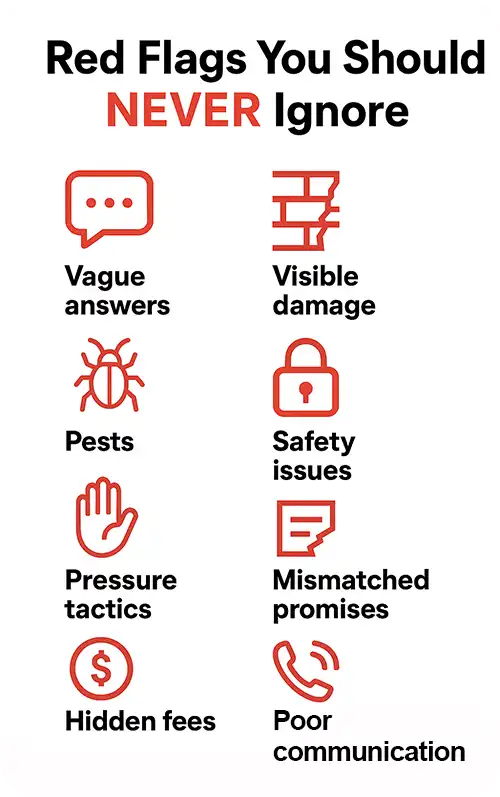
Regardless of whether you’re looking at homes or trying to find a place to live in an apartment complex, it’s essential to keep your eye out for any signs of an issue before signing any lease agreements. Some of the most notable red flags to watch out for include the following:
✗ Vague or evasive answers to basic questions about rent, fees, maintenance, or lease terms
✗ Visible signs of unresolved maintenance, such as water stains, cracks, peeling paint, or broken fixtures
✗ Evidence of pests, including droppings, traps, insect casings, or unexplained smells
✗ Poor lighting, broken locks, unsecured entry points, or a general lack of safety features
✗ Pressure to apply or sign a lease immediately, without time to review the terms
✗ Verbal promises that don’t match what’s written in the lease agreement
✗ Unclear, excessive, or undisclosed fees added on top of the monthly rent
✗ Slow, dismissive, or unresponsive communication from the landlord or property manager
✗ High tenant turnover or multiple vacant units in the same building
✗ Rules or restrictions that weren’t disclosed upfront, such as limits on guests, parking, or noise
✗ Refusal to allow a full walkthrough or discouraging testing of appliances, faucets, or fixtures
✗ Missing or incomplete landlord contact information or required legal disclosures
✗ Being shown a model unit instead of the exact unit you would be renting
✗ A general feeling that something is off or not being fully disclosed
How to Ask These Questions Confidently
While these are some of the more essential questions to ask before signing a lease agreement, many people still struggle to ask them. However, confidence is key, and asking questions shows you’re responsible. Plus, a good landlord or property manager will value individuals who seem invested in the property.
If you’re unsure where to start or want guidance through the rental process, working with an experienced team can make a big difference. First Star Realty helps renters feel informed and supported by providing clear communication, upfront expectations, and properties managed with transparency in mind. With the right questions and the right team by your side, you can move forward confidently, knowing you’re choosing a place that truly feels like home. Contact us today to learn more.