

Differences Between a Buyer’s Market vs. a Seller’s Market
Quick Overview: Understanding Buyer’s vs. Seller’s Markets
Real estate constantly shifts between conditions that favor buyers or sellers. Knowing which type of market you’re in can make or break your strategy.
- A buyer’s market means more homes for sale and better deals for buyers
- A seller’s market means fewer listings and higher competition among buyers
- Prices, negotiation power, and time on market differ dramatically between the two
- Understanding the cycle helps you make smarter, more confident decisions
With the right insight and local guidance, you can navigate either market and come out ahead.
What Is a Buyer’s Market?
A buyer’s market happens when there are more homes for sale than there are buyers. This oversupply gives buyers an advantage—they can take their time, negotiate harder, and often pay below the listing price.
Homes typically stay on the market longer, and sellers may offer incentives like paying closing costs or including appliances to attract offers. For example, if your area’s average home takes 90 days to sell and inventory is climbing, that’s a strong sign you’re in a buyer’s market.
What Is a Seller’s Market?
In a seller’s market, demand outpaces supply. There are fewer homes available, so buyers compete for the limited options. This drives prices up and reduces the time homes stay on the market.
Sellers hold the power—multiple offers, bidding wars, and above-listing sales become common. In such conditions, well-priced homes may sell within days. While it’s great for sellers, buyers need to act quickly, stay pre-approved, and make clean, strong offers to stand out.
How to Tell Which Market You’re In
You don’t need to be an economist to identify the market type. Pay attention to key indicators like:
- Inventory levels: High inventory favors buyers; low inventory favors sellers.
- Days on market: Homes selling faster suggest a seller’s market.
- Price trends: Rising prices mean high demand, while steady or falling prices point to a buyer’s market.
- Interest rates: Lower mortgage rates often increase buyer demand, tightening supply.
If you’re uncertain, your agent can help you evaluate a property’s true value compared to recent sales. Learning what is a comparative market analysis (CMA) gives you a clearer picture of fair pricing trends in your area and helps you make stronger offers. A common yardstick is months’ supply of inventory—roughly how long it would take to sell current listings at the recent sales pace—which the National Association of Realtors uses in its market methodology to gauge buyer vs. seller leverage.
Strategies for Buyers
When it’s a buyer’s market, patience and research pay off. You have room to negotiate for better prices, contingencies, or closing credits. However, even in favorable conditions, it’s important to stay realistic—desirable homes can still move fast.
If you’re house hunting in a competitive area, focus on properties that have been listed longer or slightly above your budget; these are often most negotiable. A trusted real estate agent can help identify motivated sellers and hidden opportunities.
First-time buyers can also benefit from reading advice for first-time home buyers to prepare financially and emotionally before making an offer. Understanding your limits early makes your search more efficient and less stressful. If you want unbiased guidance before you write an offer, HUD’s homebuying resources can connect you with approved housing counselors and state programs that help first-time buyers navigate the process.
Strategies for Sellers
In a seller’s market, preparation and timing are everything. Proper pricing, professional photos, and strategic listing dates can spark multiple offers and maximize your return.
If you’re selling in a slower, buyer-heavy market, focus on presentation—fresh paint, landscaping, and small updates can make your home stand out. Offering flexibility, such as covering minor repairs or helping with closing costs, can attract more serious buyers and speed up the sale.
When the market cools, preparation matters even more. Exploring improvements to increase home value before selling helps attract more offers even in slower conditions. Small upgrades often yield big returns in competitive neighborhoods.
How Interest Rates Affect Both Markets
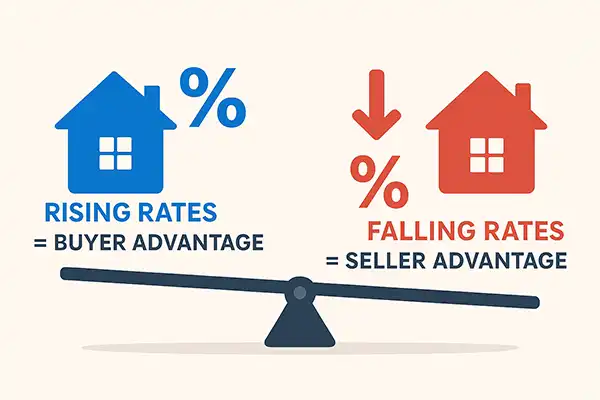
Interest rates play a major role in shifting the balance between buyers and sellers. When rates drop, more buyers enter the market, driving up demand and pushing conditions toward a seller’s market. When rates rise, affordability drops, leading to slower sales and more negotiating room for buyers.
Keeping an eye on economic trends helps both sides plan strategically. Even small rate changes can significantly affect monthly payments, buyer demand, and overall market momentum. For anyone budgeting a future move, see how much house can I afford for a realistic view of what changing rates mean for your purchasing power.
Regional Differences Matter
Market conditions can vary dramatically by location. One city might be booming with bidding wars while another nearby has homes sitting unsold for months. Local job growth, new construction, and population changes all influence whether your area leans toward buyers or sellers.
That’s why national news doesn’t always tell the full story—real estate is local. A neighborhood analysis can reveal insights that broader data often misses. If you’re comparing opportunities, review cities to invest in real estate to see which regions are growing fastest and offering better returns.
Transitioning Between Market Types
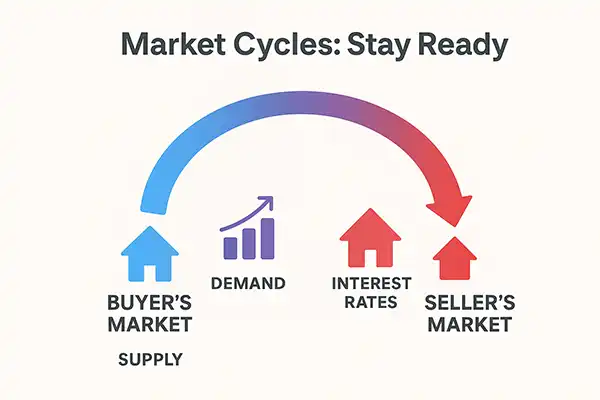
Real estate markets constantly evolve. A buyer’s market can turn into a seller’s market within months due to low inventory, changing interest rates, or sudden demand surges. The key is to stay informed and flexible. Buyers and sellers who follow housing trend data from the Federal Housing Finance Agency can better understand how local and national price shifts signal market changes. Buyers can take advantage of slower markets to purchase wisely, while sellers can prepare during quiet periods so they’re ready when demand spikes again. Understanding how these cycles work ensures you’re never caught off guard.
Final Thoughts: Making Smart Moves in Any Market
Whether you’re buying your first home or selling your third, success depends on timing, strategy, and guidance. Knowing the difference between a buyer’s and seller’s market helps you set realistic expectations and act with confidence.
No matter which market you’re in, choosing the right guidance matters. Learn how to choose the right real estate agent so you can make confident, informed decisions throughout the process.
At First Star Realty, we help clients navigate every type of market with clear, data-driven advice. Our experienced agents know when to negotiate hard, when to wait, and when to move fast. Contact us today for a personalized market analysis and expert guidance on your next move.